
Introduction: The Importance of Precise Vessel Sealing in Contemporary Surgery
In modern operating theaters, efficiency and precision are paramount. Electrosurgical tools like Ligasure have become fundamental, transforming complex procedures by allowing surgeons to seal and cut tissue simultaneously while minimizing lateral thermal injury. However, navigating the various available Ligasure systems requires careful thought. The choice between different models, power levels, and compatible accessories directly influences procedural success, patient outcomes, and operational costs. This guide outlines the critical considerations for selecting a Ligasure device, empowering you to choose a system that best fits your specific surgical practice and institutional requirements.
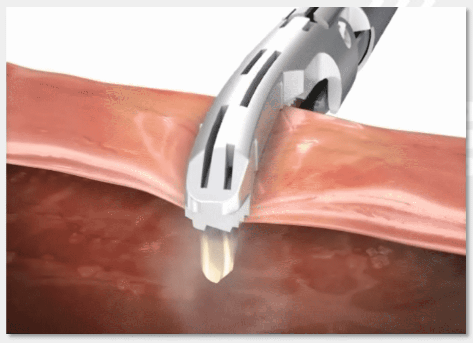
1. Defining Your Clinical Needs
Start by outlining the demands of your surgical practice:
- Surgical Approach: Do you primarily perform open procedures (such as colectomies or hysterectomies) or minimally invasive laparoscopic/thoracoscopic surgeries (like cholecystectomies or sleeve gastrectomies)?
- Tissue and Vessel Profile: What is the typical diameter of vessels you need to seal? Standard needs may cover vessels up to 5-7mm, but some procedures require confidence with larger tissue bundles.
- Surgical Specialty: Consider the specific ergonomics and instrument length required for fields like general surgery, gynecology, urology, or veterinary medicine.
For example, open surgical suites often utilize 10mm or 13mm jaw sealers, while laparoscopic procedures typically require 5mm instruments with extended shaft lengths (e.g., 37cm) for optimal access.
2. Assessing Key Technical Specifications
Device performance hinges on several measurable factors:
- Generator Power: A consistent, high-power output (in the range of 250W-300W) is recommended for reliable vessel sealing across varying tissue types, reducing the chance of inadequate closure.
- Sealing Efficacy: Look for technology that achieves a permanent seal within 2-4 seconds. Optimal devices limit thermal spread to approximately 2mm or less, helping preserve surrounding tissue integrity.
- Instrument Design: Advanced jaw coatings can significantly reduce tissue sticking and char buildup. Evaluate the sealer/divider’s jaw geometry, length, and articulation to ensure it fits your procedural technique and allows for proper sterilization between uses if reusable.
3. Ensuring System Compatibility and Integration
Your new equipment should enhance, not disrupt, existing workflows.
- Generator Platform Integration: Prioritize Ligasure generators that are compatible with your current electrosurgical units (such as Valleylab™ FT10 or LS10 platforms) to avoid redundant capital expenditure.
- Instrument Versatility: Confirm that the handpieces or seals/cut devices can connect to multiple generator brands. This interoperability safeguards against supply chain issues and offers long-term flexibility.
4. Analyzing Long-Term Value and Durability
The initial purchase price is one component of the total investment.
- Generator Reliability: High-standard generators are engineered for longevity, often providing 5-8 years of service, supported by a comprehensive warranty.
- Cost of Consumables: For disposable instruments, analyze the per-use cost. Reputable suppliers offer clear, scalable pricing.
- Service and Support: Access to reliable technical support, surgeon education resources, and efficient maintenance services is crucial, especially for facilities in regions with fewer local service options.
5. Verifying Manufacturer Reputation and Compliance
Choosing a credible supplier is as important as selecting the device.
- Regulatory Certifications: Insist on manufacturers that provide full transparency regarding international approvals, such as CE Marking, FDA clearance, and ISO 13485 certification.
- Global Clinical Adoption: Suppliers with a documented history of successful exports to diverse markets (e.g., North America, the EU, Asia) typically demonstrate robust product quality and regulatory understanding.
- Evidence-Based Performance: Request clinical validation data, such as burst pressure test results or procedural videos, which demonstrate that the device performs comparably to established alternatives.
Why Consider 233 Medical’s Ligasure Systems?
With over 16 years of focused development, 233 Medical’s Ligasure portfolio is designed to meet the stringent demands of global surgical teams:
- Comprehensive Portfolio: The range addresses a wide spectrum of needs, from 5mm laparoscopic instruments to 13mm open surgery devices, suitable for both human and veterinary applications.
- Performance-Focused Design: Their systems feature generators with adaptive output up to 300W, aiming to provide consistent seals with minimal smoke. Advanced jaw technology seeks to reduce tissue adhesion.
- Designed for Integration: A key focus is compatibility with common surgical generator platforms, aiming to facilitate a seamless integration into existing operating room setups.
- Globally Recognized Quality: Holding major international certifications and exporting to numerous countries, 233 Medical aims to deliver a combination of surgical performance and value.
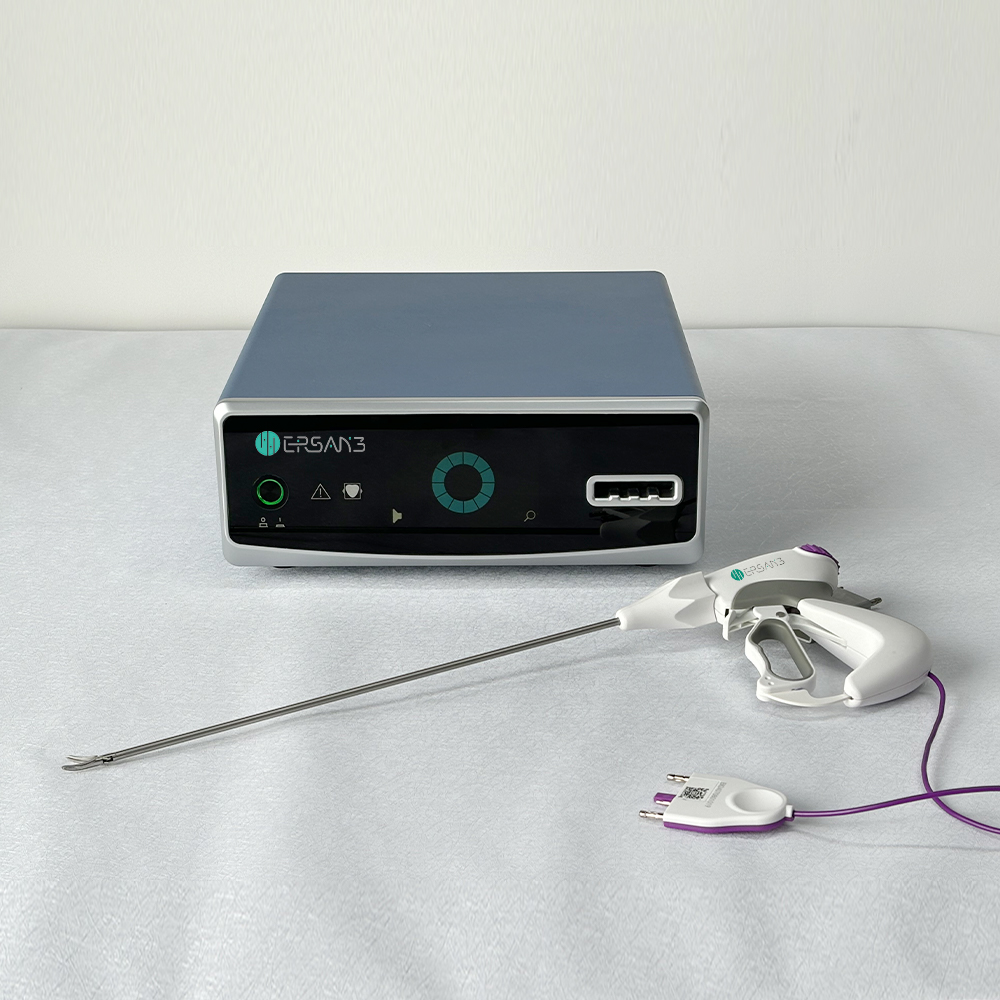
Making a Strategic Investment
Selecting a vessel sealing system is a significant decision that impacts daily surgical workflow and long-term clinical outcomes. By methodically evaluating your procedural needs, the device’s technical merits, its integration capacity, and the supplier’s credentials, you can identify a solution that offers reliability, efficiency, and sustainable value.